
Common Standing Water Causes in Barnes City
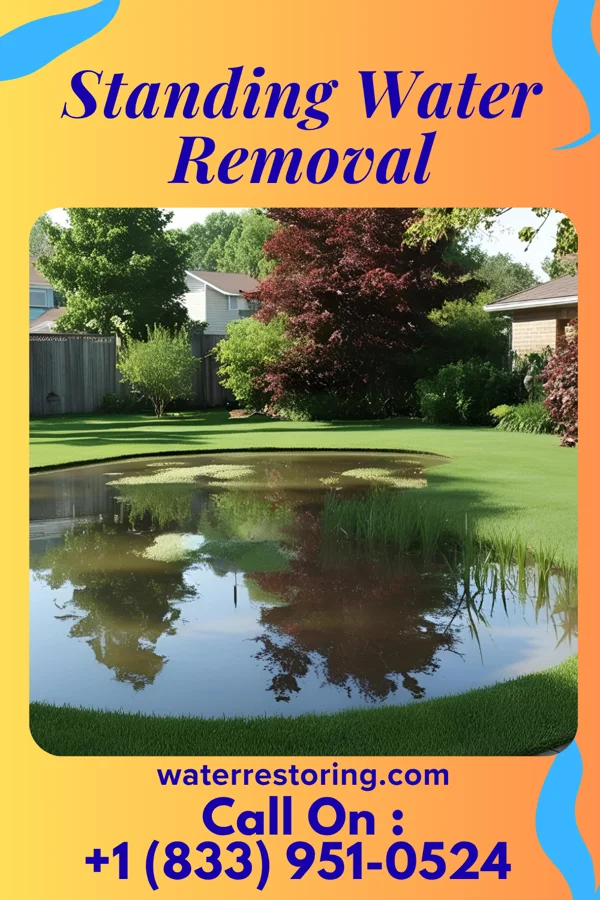
Most standing water removal calls in Barnes City come from In Barnes City, Iowa, water damage often stems from agricultural runoff and irrigation systems, particularly during spring thaw and heavy rainfall events. Nearby rivers like the Deep River can also contribute to flooding in lower-lying areas of the community. These conditions are exacerbated by the rural landscape and limited drainage infrastructure.. A close second is Secondary causes include plumbing leaks from aging farmsteads and residential homes, as well as equipment failure in grain storage facilities. Additionally, livestock barns and storage buildings are prone to water infiltration due to poor maintenance and exposure to the elements.. If you know what is about to happen, the decisions during the first 48 hours get a lot easier.
Barnes City experiences a humid continental climate with significant precipitation in the spring and fall, increasing the risk of water damage. The area is also vulnerable to flash flooding during sudden weather changes, especially in the late spring when snowmelt combines with rain.
Most standing water removal calls in Barnes City come from In Barnes City, Iowa, water damage often stems from agricultural runoff and irrigation systems, particularly during spring thaw and heavy rainfall events. Nearby rivers like the Deep River can also contribute to flooding in lower-lying areas of the community. These conditions are exacerbated by the rural landscape and limited drainage infrastructure.. Running a close second is Secondary causes include plumbing leaks from aging farmsteads and residential homes, as well as equipment failure in grain storage facilities. Additionally, livestock barns and storage buildings are prone to water infiltration due to poor maintenance and exposure to the elements.. Local mold risk: Mold growth can quickly develop in barns, homes, and agricultural buildings due to the high humidity and frequent moisture exposure in Barnes City. Prompt action is critical to prevent health risks and structural damage.